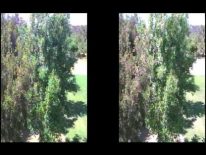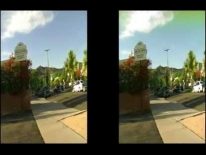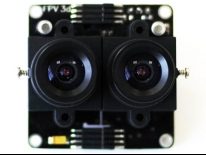
3D FPV camera The BlackBird 1


http://fpv3dcam.com/products-fpv3dcam/the-blackbird-3d-fpv-camera#sigFreeIded2a00d461
Weight
Small weight. Only 23 grams, will positively affect flight time as not enough electric power is spent!
Interlaced 3D
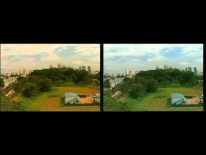
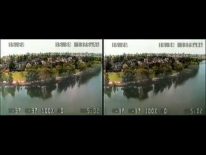
The camera "BlackBird" creates analog video NTSC a signal in a format of interlaced 3D (field sequential 3D) that allows to transfer him by means of one standard video of the transmitter.
Effect of presence
Using 3D FPV the camera "BlackBird", you will feel the speed, volume, distance - you will look at the world two eyes as it was conceived initially by the nature.
Easy connection
It isn't necessary to look for additional devices, simply connect a video camera to the transmitter of video signal and the power supply 7V - 12V.
Power
The broad range of power voltage - from 7V to 12V, will allow you to connect the camera directly to the onboard battery!
Integrating a stereoscopic flight camera into a first person view setup is often simpler than hobbyists expect, because the most demanding part of the process is typically handled inside the lens pair itself. A dedicated 3D FPV camera can take the place of an ordinary single lens camcorder on the airframe, sending a combined video signal down the same radio link that pilots already use. By replacing rather than adding to the existing onboard electronics, the installation keeps the wiring short and the weight distribution close to the original design, which helps preserve the familiar handling that experienced fliers value in their aircraft. Because the stereoscopic picture is formed right at the sensor stage, the pilot does not need a second transmitter or a special receiver to enjoy depth. The camera outputs a normal analog video stream in a standard interlace friendly format, so it can be displayed on conventional FPV monitors, recorded by ordinary DVRs, or piped into digital headsets and shutter glasses for a fully immersive ride. This compatibility means that upgrading to three dimensional vision rarely forces a broader rebuild of the ground station, allowing pilots to keep the goggles, antennas, and screens they already trust while still gaining the vivid sense of speed and distance that only a true stereo signal can convey. Power management is another area where modern 3D FPV cameras have removed old shortcomings that once discouraged experimentation. A broad input range lets the device share the main flight battery with the rest of the onboard electronics, eliminating the need for separate regulators or step down converters. Combined with compact Aptina based sensors and a lightweight stereo housing that fits existing mounting holes, the camera slots into the airframe almost as easily as the single lens unit it replaces. The result is a distinctive, functional upgrade that delivers an unforgettable flying experience without asking the builder to relearn the fundamentals of how their model is wired, balanced, or flown.
Stereoscopic flight 3D FPV cameras are designed to bring a vivid, immersive experience to anyone piloting an aircraft from the first-person view. By using two aligned lenses and sensors, the device captures the scene the way human eyes perceive depth, then combines the two views into a single interlace or side-by-side signal. When viewed through compatible glasses, a headset, or a 3D monitor, the picture regains the sense of volume and distance that ordinary analog or digital FPV video lacks, letting the pilot feel speed and spatial awareness more naturally and ride through the air with an unforgettable sense of presence. Easy connection and flexible power are central to the design philosophy of these compact camcorder-style units. Because the camera accepts a broad range of supply voltage, it can often be wired directly to the onboard battery of an airplane, car, or tank, with no extra adapters or regulation stages in between. The output is a standard analog video signal that works with typical FPV transmitters and radio-controlled setups, so the device can also serve short-range surveillance roles. Mounting hardware keeps the lenses aligned and the body secure, and the overall aim is to transform an ordinary FPV link into a unique stereoscopic experience worthy of a genuine breakthrough.
Integrating a stereoscopic flight camera into a first person view setup is often simpler than hobbyists expect, because the most demanding part of the process is typically handled inside the lens pair itself. A dedicated 3D FPV camera can take the place of an ordinary single lens camcorder on the airframe, sending a combined video stream to compatible goggles or a monitor so the pilot perceives real depth as the model moves through the air. Because the stereo image is formed at the source, the rest of the onboard chain, including the video transmitter, the antenna, and the recording gear, can remain largely unchanged. Power requirements are usually modest, and many boards accept a broad range of input voltage, which makes it easy to tap into an existing flight battery. The result is an immersive flying experience that adds a vivid sense of distance, speed, and volume to every maneuver, turning a familiar aircraft into something that feels genuinely new to the eyes.
Size
Very modest overall dimensions, its size doesn't exceed the size of the normal FPV camera! You can set without problems the camera on a radio-controlled quadrocopter, the airplane or the car.
Featured model 3D video glasses
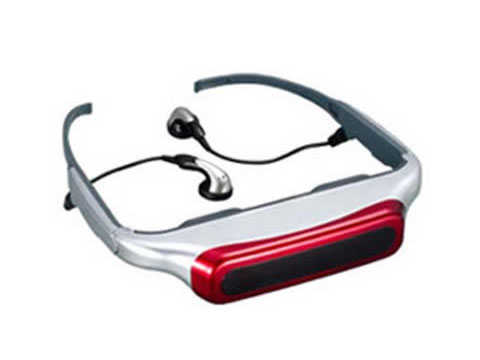
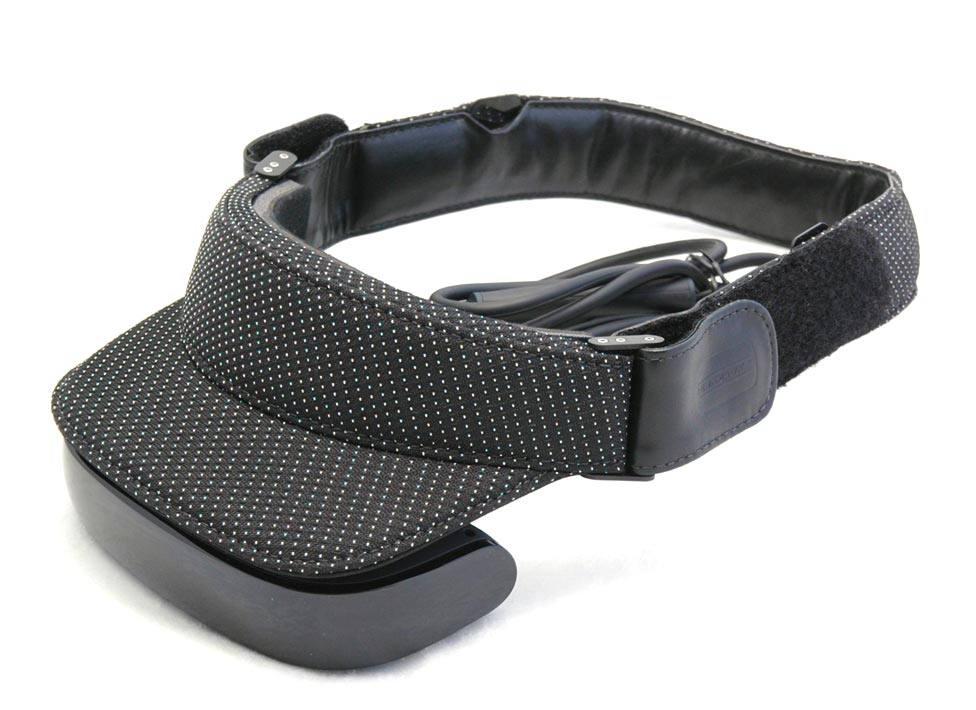
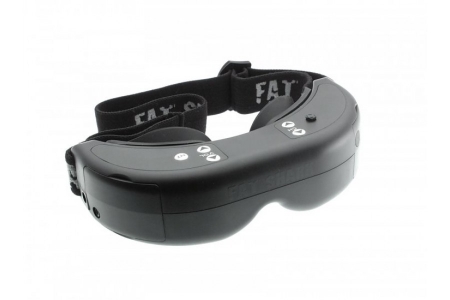 Fat Shark Attitude V3
Characteristics
Video
- Type of sensors: OmniVision OV7950
- Size and matrix type: 1/4'' CMOS
- Array size: 656 x 492
- Sensitivity: 3.0V/Lux-sec @ 5600K
- Ratio signal/noise : 48 dB
Mechanical characteristics
- The weight of the camera: 21 g.
- The weight of the camera with cable: 23 g.
- Overall dimensions L,W,H: Ver 1.3.2 - 34 mm, 32 mm, 25 mm, Ver 1.3.3 - 34 mm, 34 mm, 25 mm
- Interface connector: On the board MW-3M, on the cable MU-3F
- Operating temperature: From -20 till +70 ºC
Optics
- Focal length of lens: 3,6 mm
- Viewing angle : 54 degrees
- Thread type: М12 х 1
- The IR Filter on the lens: 680 um (daylight lens for color camera)
- Focusing: Manual
Electrical characteristics
- Supply voltage: From 5 V till 12 V (recommended voltage is 5 V)
- Consumed current, no more: 130 mA
- Power consumption at 5V: 0,65 Watt
- Power consumption at 12V: 1.56 Watt
Video output
- Video format : NTSC 525/60
- Video output: 75 Ohm, 1V peak to peak
- Horizontal resolution : 470 TVL
- Format 3D: Interlaced 3D (Field Sequential 3d)
- Frequency of shots for each eye: 30 Hz
- Stereo separation (as assembled): 17,5 mm
- Stereo separation (with cables) : From 60 мм to 2000 мм (depends on cables)
- Adjustment of convergence : Manual
Videos: