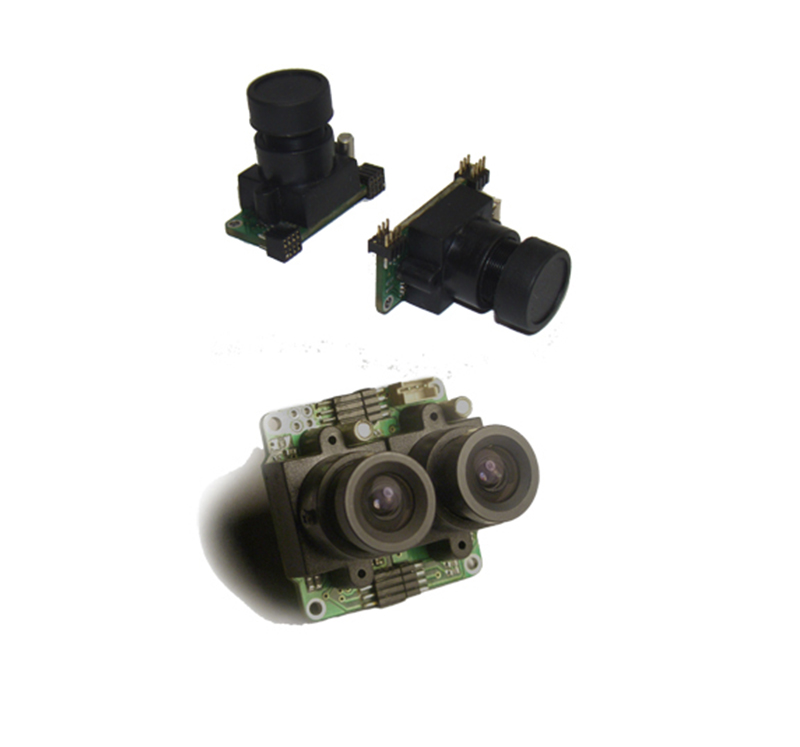
Camera FPV 3D Transformer
Stereoscopic 3D FPV cameras are designed to bring the feeling of flight directly to the viewer's eyes, recreating the natural depth perception that human vision relies on every day. By capturing two slightly different perspectives at the same time, these systems reproduce a vivid, lifelike sense of space, distance, and speed. The goal is to move beyond flat video and offer pilots a more immersive experience that mirrors the way people actually see the world in nature.
Unlike ordinary single-lens FPV setups, a stereoscopic camera pairs two synchronized image sensors working in parallel, each producing its own analog video stream. The two signals are then combined into a compatible side-by-side or interlace format that can be displayed on supported 3D monitors, headsets, or video glasses. This dual-sensor approach is what allows the viewer to feel genuine volume and spatial depth rather than just motion and color.
Many FPV enthusiasts experiment with 3D by adapting existing cameras, but a purpose-built transformer-style solution aims to fix the common shortcomings of those improvised rigs. Proper alignment, matched exposure, and stable mounting are critical, because even small differences between the two lenses can break the illusion and cause eye strain. Integrated designs also help keep the payload compact and balanced on small airframes, which is important for agile flight.
Such a 3D camera is intended to be flexible enough to mount on a wide range of remote-controlled models, from lightweight airplanes to cars, tanks, and other moving platforms. Because the device outputs a standard analog video signal, it can often be connected to common radio-controlled video systems, recorders, or headsets without requiring special receivers. This makes it easier for hobbyists to add a stereoscopic view to vehicles they may already own.
Beyond recreational flying, stereoscopic FPV cameras are also explored for surveillance, training, and other applications where depth perception adds value. Watching a flight in true 3D can transform a routine trip around a field into something that feels far more like being there in the cockpit, capturing the unique character of first-person flight. The result is an experience that aims to make every flight more memorable and engaging for the pilot.